
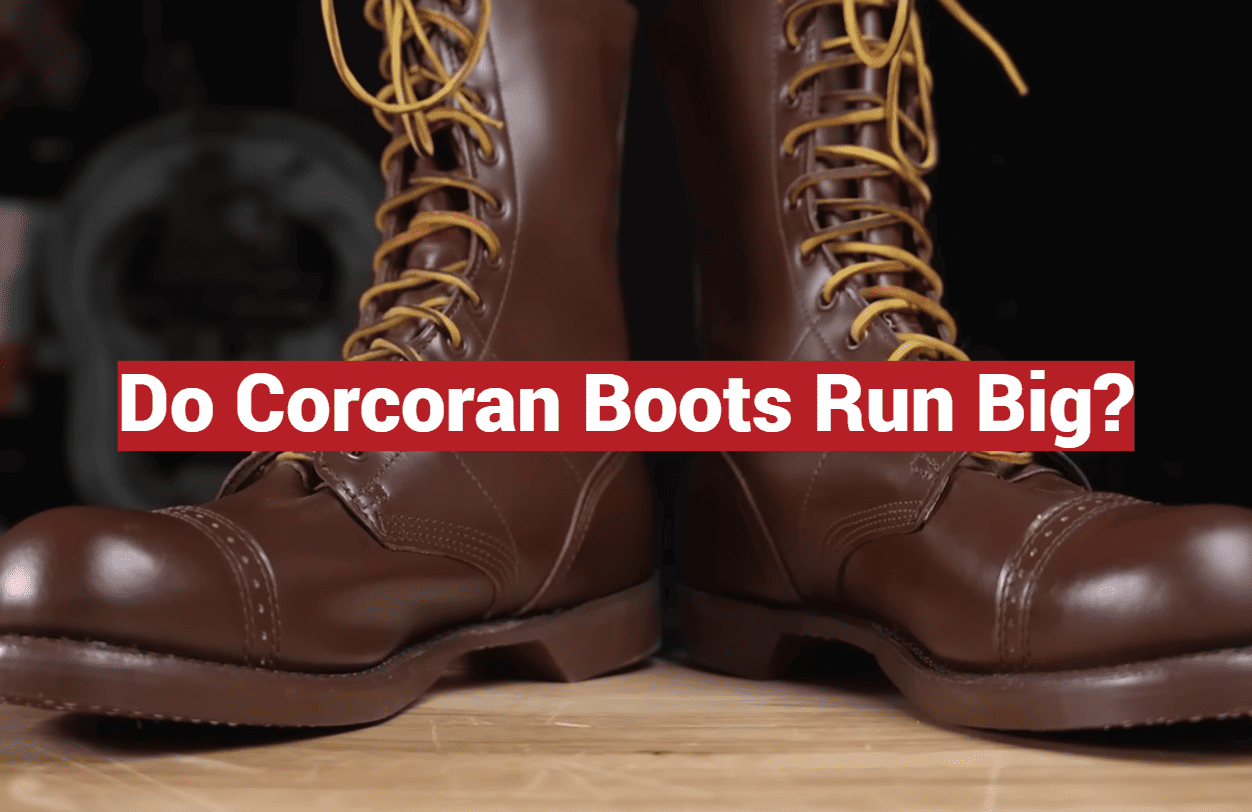
Did you know that roughly sixty percent of adults wear the wrong shoe size? This surprising fact is very important when picking high-performance gear like the famous paratrooper models. Finding a great pair is about more than just style; it is about keeping your feet healthy during long hours of activity.
When looking at Corcoran boots sizing, many buyers get confused by the old-school designs. These sturdy items use classic shapes that may not match your gym sneakers. It is vital to understand how these leather pieces work before you make a purchase.
Getting the right Corcoran boots fit helps you avoid painful blisters and fatigue. Our guide looks at whether these models are truly oversized. We provide helpful tips to find your perfect match today to ensure maximum comfort in every step.
Key Takeaways
- Heritage designs often differ from modern athletic sizing.
- Sizing down by a half-step is a common recommendation for most buyers.
- Proper lacing techniques improve the overall internal support and stability.
- Heavy duty socks can bridge the gap in loose-fitting leather footwear.
- Foot measurements should always be taken in the late afternoon for accuracy.
- Specific styles may vary slightly in their internal volume and toe box space.
Understanding the Corcoran Boot Legacy
For decades, Corcoran boots have been trusted by military and law enforcement professionals for their exceptional quality and reliability. The legacy of Corcoran boots is deeply intertwined with their history of serving those who require superior footwear for demanding environments.
Corcoran boots have a rich heritage that is reflected in their commitment to quality and performance. According to a trusted source, “For generations, military personnel have trusted Corcoran boots for their superior protection and performance in the toughest conditions.” This trust is built on the boots’ ability to withstand rigorous use while providing comfort and support.
The characteristics that have made Corcoran boots a staple in military and tactical gear include their durability, comfort, and adherence to high standards of manufacturing. These boots are designed to meet the needs of professionals who operate in challenging environments, where the right footwear can be a critical factor in performance and safety.
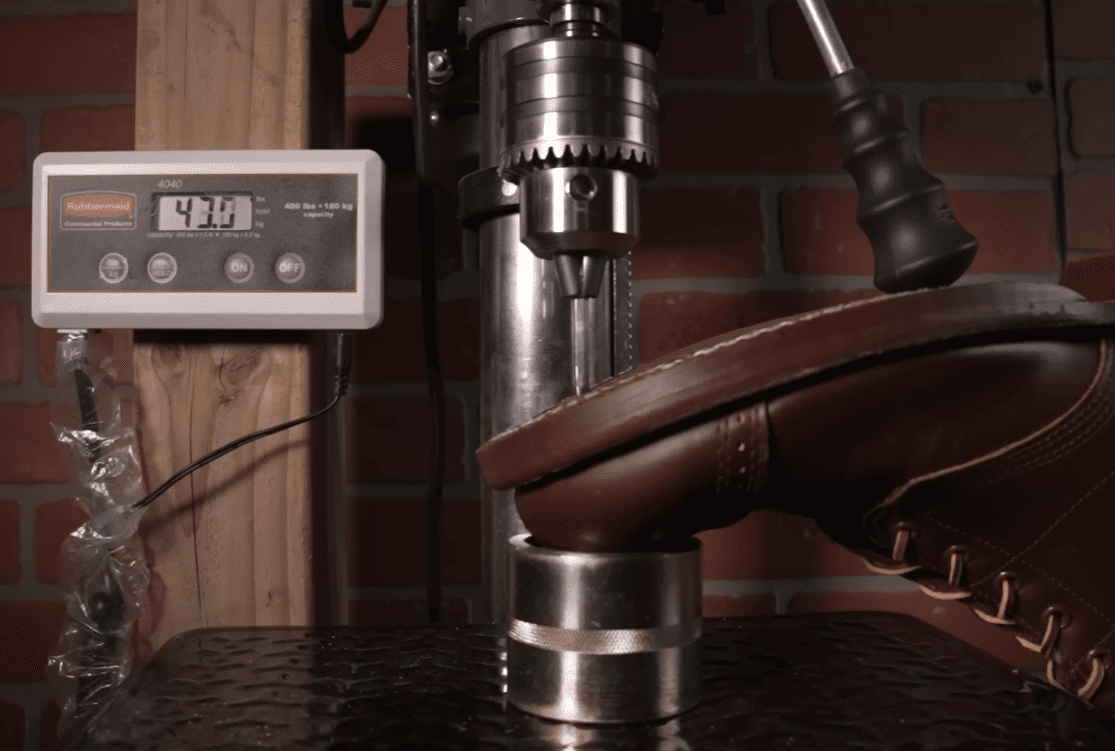
“Corcoran boots have been a cornerstone of military footwear for years, known for their rugged construction and reliable performance.”
To understand the Corcoran boot legacy, it’s essential to look at their history and how they have evolved over time. The following table provides a brief overview of the key features that have contributed to their reputation:
| Feature | Description | Benefit |
|---|---|---|
| Durable Materials | High-quality leather and robust construction | Long-lasting performance |
| Comfort Design | Ergonomic design for comfort during extended wear | Reduced fatigue |
| Performance Standards | Manufactured to meet or exceed military standards | Reliability in demanding conditions |
In conclusion, the Corcoran boot legacy is built on a foundation of quality, durability, and performance. Their boots have become a trusted choice among military and law enforcement professionals due to their ability to deliver under the most challenging conditions.
Do Corcoran Boots Run Big and How to Determine Your Size
The sizing of Corcoran boots is a critical factor to consider when making a purchase, as it directly impacts comfort and performance. To determine if Corcoran boots run big, it’s essential to understand the factors that influence their sizing.
One of the primary considerations is the boot style. For instance, the author’s experience of being issued size 9 1/2 Wide combat boots that fit perfectly, but later purchasing size 11 Corcorans, indicates a potential size difference between different boot styles. This discrepancy highlights the importance of not relying solely on your usual size when buying Corcoran boots.
Measuring Your Feet Accurately is crucial in determining the correct size. Factors such as sock thickness and insole variations can significantly affect the fit of your boots. To get an accurate measurement, consider the following:
- Measure your feet at the end of the day, as feet tend to swell throughout the day.
- Wear the same type of socks you plan to wear with your Corcoran boots.
- If you plan to use custom insoles, factor their thickness into your measurement.
To further assist in determining the correct size, refer to the Corcoran boots sizing chart. This chart can provide a more precise measurement based on the specific boot style you’re interested in.
| Boot Style | Recommended Size Adjustment | Sock Thickness Consideration |
|---|---|---|
| Combat Boots | May require a size up | Thicker socks may require a larger size |
| Jump Boots | Size difference may vary | Consider the thickness of your standard issue socks |
| Field Boots | Generally true to size | Standard sock thickness is usually sufficient |
By considering these factors and consulting the Corcoran boots sizing chart, you can make a more informed decision when determining your size. This will help ensure a comfortable and proper fit for your Corcoran boots.
The Importance of Measuring Your Feet Correctly
Measuring your feet correctly is crucial for ensuring a comfortable and proper fit in your Corcoran boots. Accurate measurements are the key to avoiding discomfort and potential issues such as blisters or poor fit. This is particularly important when purchasing boots online, where trying them on isn’t an option.
To measure your feet accurately, you’ll need a few simple tools. Having the right equipment ensures that you get precise measurements, which is vital for referring to the Corcoran boot size chart effectively.
Tools You Need for Accurate Measurements
To measure your feet correctly, you’ll need the following tools:
- A ruler or a measuring tape
- A piece of paper larger than your foot
- A pencil or pen
- A flat, hard surface to stand on
Step-by-Step Guide to Measuring Foot Length and Width
Here’s a step-by-step guide to measuring your foot length and width accurately:
- Place the paper on the floor against a wall, ensuring it’s flat and even.
- Stand on the paper with your heel against the wall, distributing your weight evenly on both feet.
- Trace the outline of your foot with a pencil, keeping it perpendicular to the paper.
- Measure the length from the back of the heel to the tip of the longest toe.
- Measure the width at the widest part of the foot tracing.
- Refer to the Corcoran boot size chart with your measurements to determine your size.
By following these steps and using the right tools, you can ensure that your Corcoran boots fit perfectly, providing comfort and support for your feet.
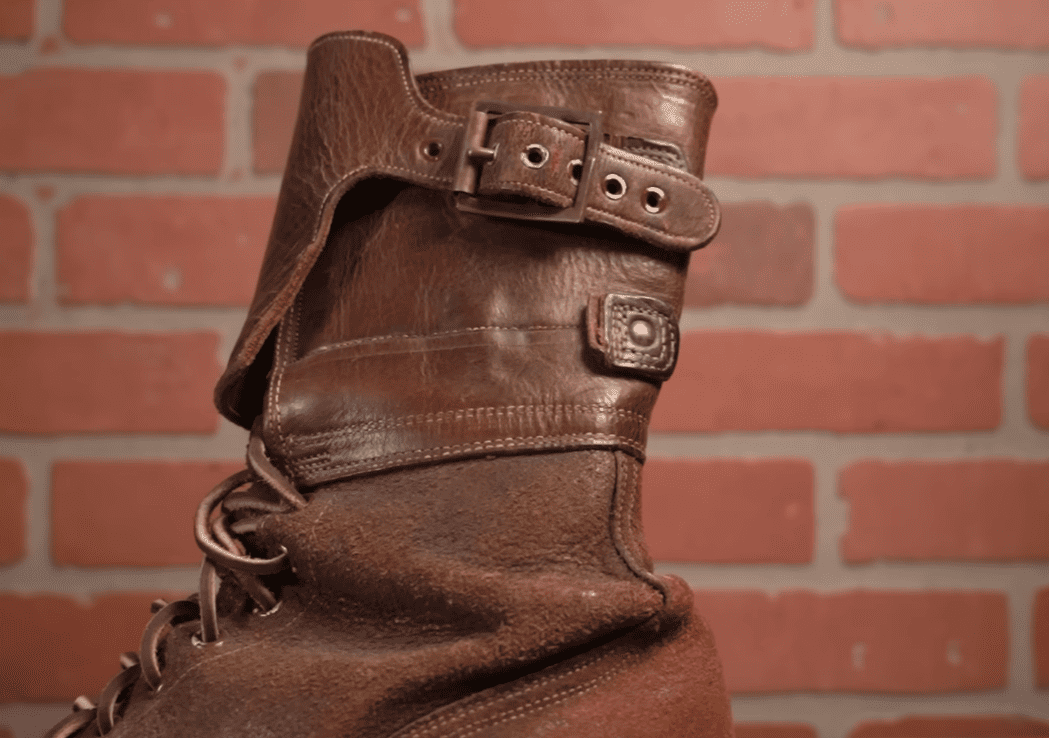
Comparing Corcoran Sizing to Standard Athletic Shoes
Understanding the sizing differences between Corcoran boots and standard athletic shoes is crucial for a comfortable fit. Many individuals who are accustomed to wearing athletic footwear may find that Corcoran boots fit differently due to their unique design and construction.
For instance, someone who wears a size 10.5 in Nikes might need to adjust their size when switching to Corcoran boots. As noted, the same individual might size down to a 10 in Converse Chuck Taylor All-Stars and Corcoran 995’s, highlighting the variability in sizing between different brands and styles.
Why Military Boots Fit Differently Than Sneakers
Military boots, such as those made by Corcoran, are designed with specific features that distinguish them from standard athletic shoes. These features include sturdier materials, additional ankle support, and a more robust construction to withstand rigorous use.
Such design differences can affect the fit, making military boots feel tighter or more snug compared to sneakers. It’s essential to consider these factors when choosing the right size for your Corcoran boots.
Accounting for Sock Thickness and Insole Variations
Another critical aspect to consider is the thickness of the socks you plan to wear with your Corcoran boots. Thicker socks can take up more space inside the boot, potentially making a larger size necessary for comfort.
Additionally, the type of insoles used can also impact the fit. Some insoles are thicker or more cushioned than others, which can affect how the boot fits around your foot. It’s a good idea to try on boots with the socks and insoles you intend to use them with to get an accurate fit.
Analyzing the Fit of the Corcoran Jump Boot
The Corcoran Jump Boot stands out due to its timeless design and robust leather construction, which contributes to its long-lasting performance. Understanding the fit of this boot is crucial for ensuring comfort and functionality, whether for military operations or tactical training.
The Classic Leather Construction and Break-in Period
The Corcoran Jump Boot is crafted from high-quality leather, known for its durability and ability to mold to the wearer’s foot over time. The leather construction is a significant factor in the boot’s overall fit, as it requires a break-in period to achieve optimal comfort.
During the break-in period, the leather will soften and adapt to the shape of your foot. This process can take several weeks, depending on wear frequency and conditions. It’s essential to be patient and not rush this process, as premature wear or improper fit can lead to discomfort.
| Break-in Period Factors | Description | Impact on Fit |
|---|---|---|
| Wear Frequency | How often the boots are worn | More frequent wear accelerates the break-in process |
| Leather Conditioners | Products used to soften the leather | Can reduce break-in time and enhance comfort |
| Activity Level | Type and intensity of activities performed | Higher activity levels can speed up the molding process |
How the Ankle Support Affects Internal Volume
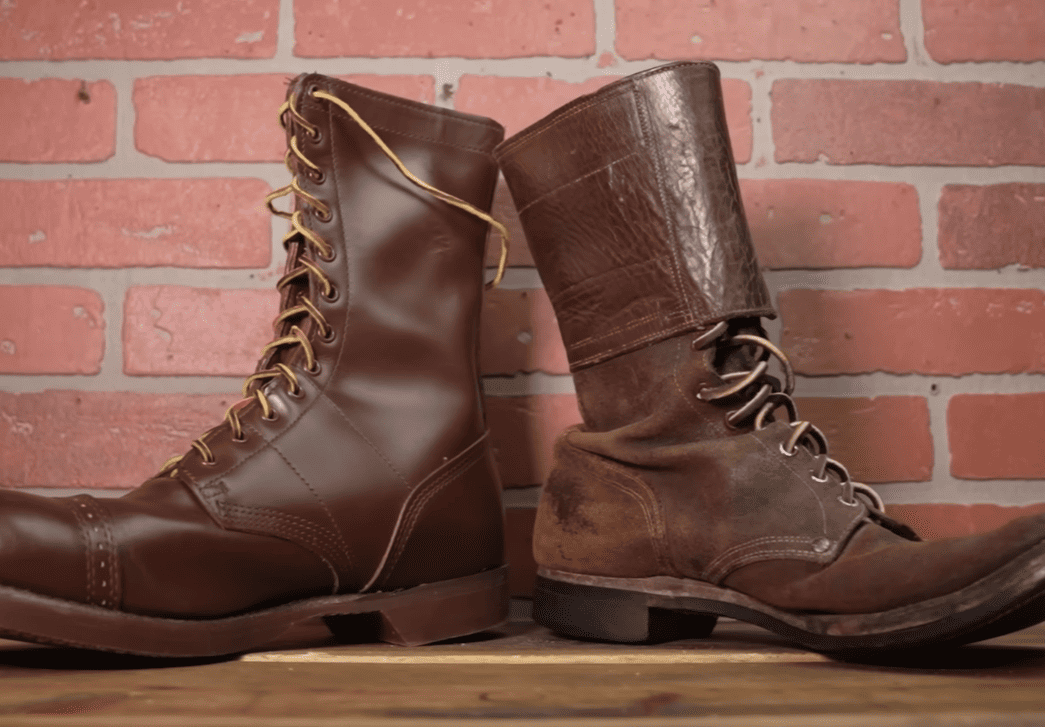
The Corcoran Jump Boot is designed with high ankle support, which is crucial for providing stability and protection during rigorous activities. However, this support can also affect the internal volume of the boot.
A higher ankle design can reduce the internal volume, potentially making the boot fit tighter around the foot and ankle. It’s vital to consider this when selecting your size, especially if you have larger feet or prefer a roomier fit.
To achieve the best fit, consider the following:
- Measure your feet accurately, taking into account both length and width.
- Try on boots with the intended socks and insoles to gauge the fit accurately.
- Assess the ankle support’s impact on the overall fit and adjust your size choice accordingly.
The Role of Width Options in Achieving a Perfect Fit
Achieving a perfect fit in Corcoran boots involves more than just selecting the right length; it also requires considering the width options available. The width of a boot can significantly impact its comfort and overall wearability. Corcoran boots come in various widths to accommodate different foot shapes and sizes, ensuring that wearers can find a pair that fits comfortably.
Understanding D, E, and EE Width Designations
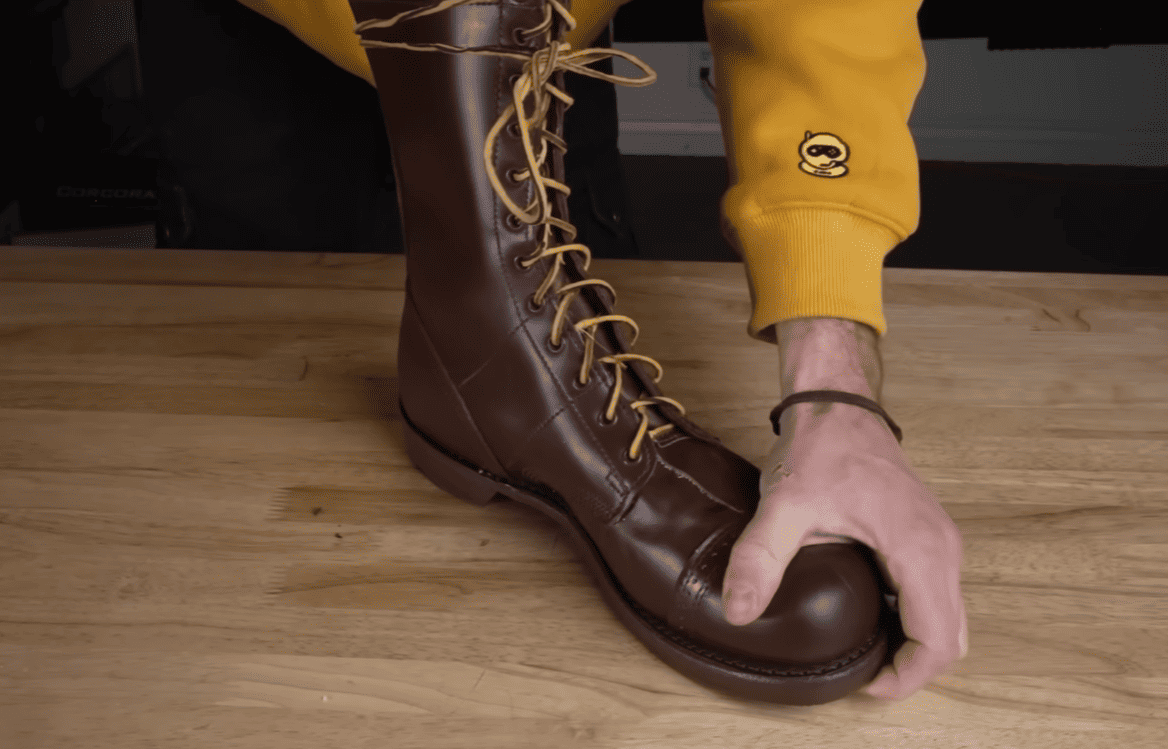
Corcoran boots use a width designation system that includes D, E, and EE widths. The D width is typically considered the standard or medium width, suitable for most foot types. The E width is wider than the D, offering more room in the toe box and a more comfortable fit for those with wider feet. For individuals with particularly wide feet or those who require extra room for comfort, the EE width is the widest option available, providing the most spacious fit.
Understanding these width designations is crucial for selecting the right Corcoran boots. It’s not just about the length; the width plays a significant role in how the boot fits and feels. By choosing the correct width, wearers can prevent discomfort, blisters, and other issues associated with poorly fitting footwear.
Signs That You Need a Wider or Narrower Boot
Identifying whether you need a wider or narrower boot can be determined by paying attention to how your current boots fit. If you experience discomfort or pain on the sides of your feet, it may be a sign that you need a wider boot. Conversely, if your boots feel too loose or your feet slide around inside them, you might require a narrower width.
Other signs include:
- Redness or irritation on the foot, indicating pressure points.
- Difficulty lacing the boots comfortably due to excessive tightness or looseness.
- Feeling like your feet are slipping out of the boots while walking.
By recognizing these signs and understanding the width options available for Corcoran boots, you can make an informed decision to ensure a comfortable, perfect fit.
Common Sizing Mistakes When Buying Corcoran Boots
To ensure a perfect fit, it’s crucial to avoid common sizing mistakes when ordering Corcoran boots online or in-store. Many buyers make errors that can lead to discomfort, returns, and additional costs. Understanding these pitfalls can help you make a more informed purchase.
Ordering Based on Your Casual Shoe Size
One of the most common mistakes is ordering Corcoran boots based on your casual shoe size without considering the differences in boot fit. Corcoran boots, particularly those designed for military or tactical use, may have a different sizing standard compared to casual or athletic shoes.
Key differences include:
- A more snug fit around the ankle and heel for support
- A roomier toe box for comfort during extended wear
- A potentially longer break-in period due to sturdy materials
To avoid sizing errors, it’s recommended to measure your feet and consult the Corcoran sizing chart rather than relying solely on your casual shoe size.
Ignoring the Impact of Arch Support and Foot Shape
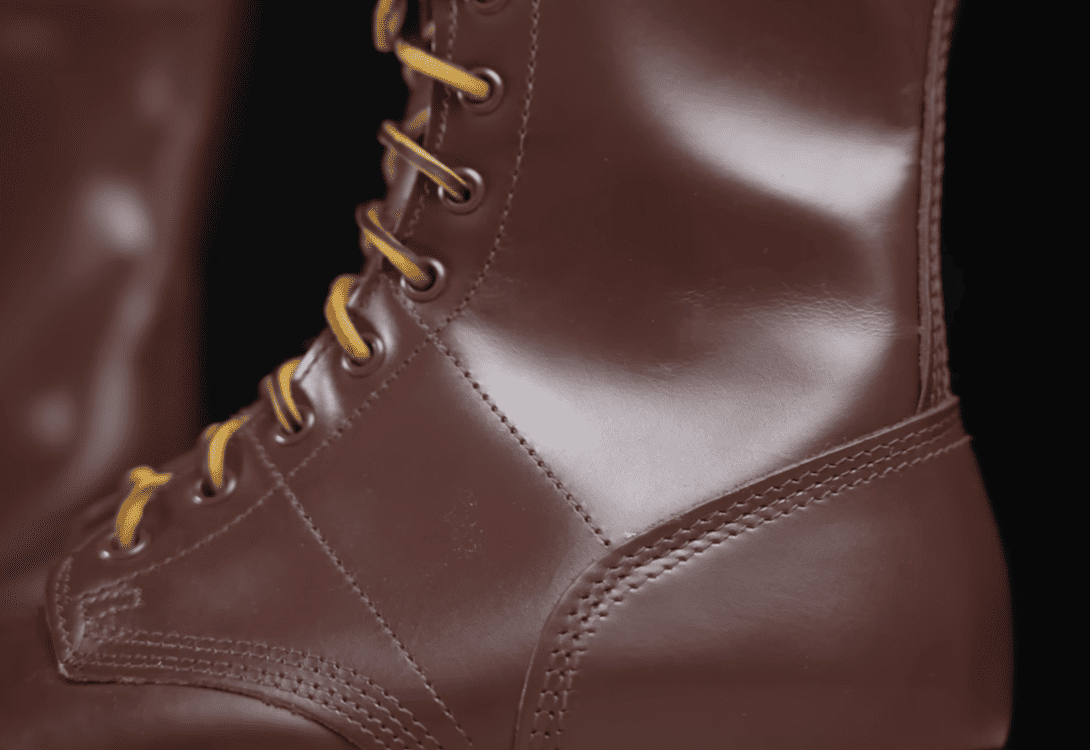
Another critical mistake is ignoring the impact of arch support and foot shape on the fit of Corcoran boots. The level of arch support and the shape of your foot can significantly affect how the boot fits and feels.
For instance, individuals with high arches or specific foot shapes may require different sizing or width options to achieve a comfortable fit. Corcoran boots come in various widths, including D, E, and EE, to accommodate different foot shapes.
| Width Designation | Description | Suitable Foot Type |
|---|---|---|
| D | Standard width | Average foot width |
| E | Wide width | Foot with a wider toe box or higher volume |
| EE | Extra-wide width | Foot requiring extra room for comfort |
By considering these factors and choosing the appropriate width, you can significantly improve the fit and comfort of your Corcoran boots.
Tips for Breaking in Your New Corcoran Boots
Breaking in new Corcoran boots can be a challenging task, but with the right techniques, you can ensure a comfortable fit. Corcoran boots are known for their high-quality leather and sturdy construction, which can sometimes make them stiff initially.
To make the breaking-in process smoother, it’s crucial to understand that leather conditioners play a significant role in softening the material. Additionally, adopting gradual wear strategies can prevent discomfort and blisters.
Using Leather Conditioners to Soften the Material
Leather conditioners are products designed to moisturize and protect leather, making it more supple and less prone to cracking. When it comes to breaking in Corcoran boots, using a high-quality leather conditioner can significantly reduce the stiffness of the leather.
Benefits of Leather Conditioners:
- Softens the leather, making it more comfortable to wear
- Protects the leather from drying out and cracking
- Enhances the overall appearance of the boots
To use a leather conditioner effectively, apply a small amount to a soft cloth and gently rub it into the leather, focusing on areas that feel stiff or tight. Allow the conditioner to be absorbed fully before wearing the boots.
Gradual Wear Strategies to Prevent Blisters
Gradual wear is a simple yet effective strategy for breaking in Corcoran boots. This involves wearing the boots for short periods initially and gradually increasing the duration over time.
| Day | Wear Duration | Activity |
|---|---|---|
| 1-2 | 30 minutes | Light walking around the house |
| 3-4 | 1 hour | Short walk or light chores |
| 5 and beyond | 2+ hours | Normal daily activities |
By gradually increasing the wear time, you allow the leather to mold to your feet, reducing the risk of blisters and discomfort. It’s also a good idea to wear the same type of socks you plan to wear with the boots during the breaking-in period.
Adjusting the Fit with Insoles and Lacing Techniques
To get the most out of your Corcoran boots, it’s essential to understand how to adjust the fit using insoles and lacing methods. A perfect fit not only enhances comfort but also improves the overall performance of the boots. Whether you’re using your Corcoran boots for military purposes, outdoor activities, or as a fashion statement, fine-tuning the fit can make a significant difference.
Choosing the Right Aftermarket Insoles
Aftermarket insoles can significantly enhance the comfort and fit of your Corcoran boots. When selecting insoles, consider the following factors:
- Material: Look for insoles made from breathable materials like moisture-wicking fabrics or gel-based cushioning for added comfort.
- Thickness: Thicker insoles can provide more cushioning but may affect the overall fit. Ensure they don’t make the boot too tight.
- Arch Support: Adequate arch support is crucial for comfort and to prevent fatigue. Choose insoles that offer the right level of arch support for your foot shape.
Some popular brands for aftermarket insoles include Superfeet and Dr. Scholl’s, known for their quality and comfort. It’s also beneficial to read reviews and consult with a footwear specialist to find the best insoles for your specific needs.
Lacing Methods to Secure the Heel and Midfoot
Lacing techniques play a crucial role in securing the heel and midfoot, thereby affecting the overall fit of the Corcoran boots. Here are some lacing methods to consider:
- The “Ladder Lacing” Method: This method involves lacing the boots in a ladder-like pattern. It provides a secure fit and is particularly useful for boots with a lot of eyelets.
- The “Lock Lacing” Technique: This technique involves creating a “lock” with the laces to prevent them from coming undone. It’s ideal for high-activity situations.
Experimenting with different lacing techniques can help you find the most comfortable and secure fit for your Corcoran boots. As one footwear expert notes, “The right lacing technique can make a significant difference in how your boots fit and perform.”
“A good lacing system is not just about keeping your boots tied; it’s about customizing the fit to your foot’s unique shape and needs.”
How Different Corcoran Models Vary in Sizing
When it comes to Corcoran boots, understanding the sizing nuances between different models is crucial. Corcoran offers a diverse range of boots, each designed for specific purposes and with unique characteristics that can affect their sizing.
The Corcoran brand is well-known for its high-quality boots, used in various contexts from military to formal events. However, the sizing can vary significantly between different models, making it essential for buyers to be aware of these differences to ensure a comfortable and proper fit.
Differences Between Field Boots and Jump Boots
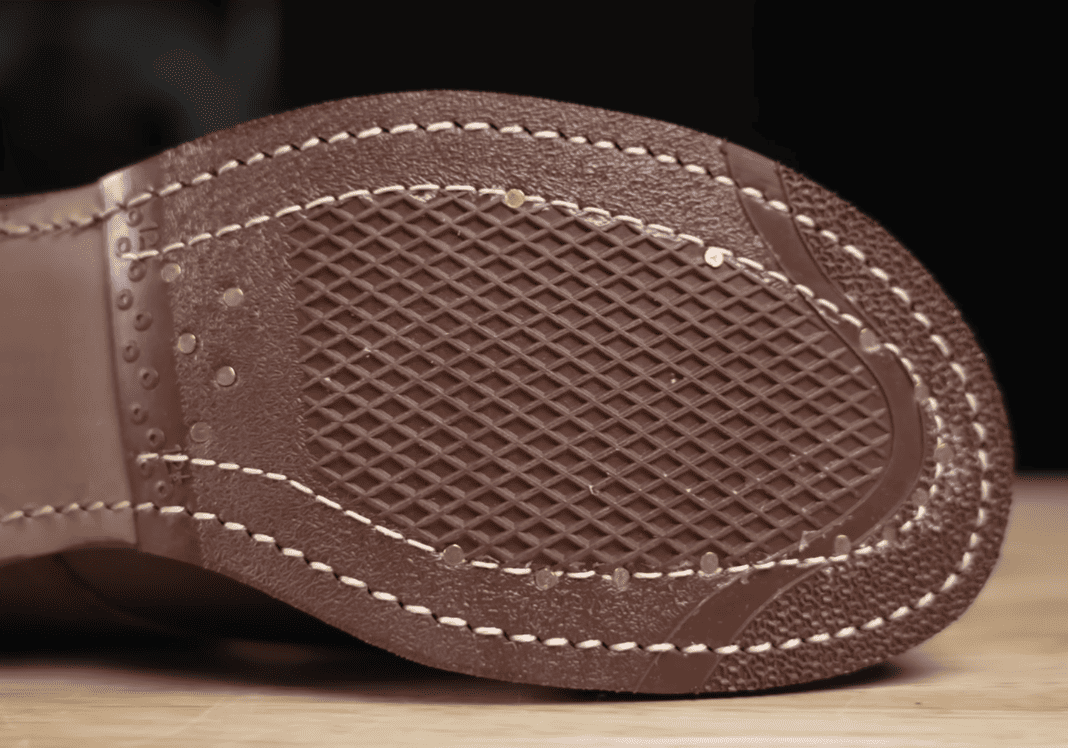
Corcoran’s product line includes several models, with the Field Boot and Jump Boot being two of the most popular. The Field Boot is designed for general-purpose use, often favored for its durability and comfort. In contrast, the Jump Boot is specifically designed for paratroopers, featuring a higher cut and additional support around the ankle.
The sizing differences between these two models can be attributed to their design purposes. For instance, the Jump Boot may run slightly larger due to its higher cut and the need for additional space to accommodate thicker socks or orthotics. On the other hand, the Field Boot might fit more snugly, as it is designed for a broader range of activities where a secure fit is crucial.
Material Variations and Their Effect on Stretch
The material used in the construction of Corcoran boots also plays a significant role in their sizing and fit. Boots made from full-grain leather tend to be stiffer initially but will stretch over time as they break in. In contrast, boots that incorporate suede or nubuck may offer a softer, more immediate comfort but could potentially stretch more or less depending on the specific treatment and quality of the material.
Understanding the material variations and their impact on the boot’s stretch and fit is vital. For example, if you’re considering a Corcoran boot made from a stiffer leather, you may want to factor in a break-in period. Conversely, if you prefer a softer material, you might prioritize comfort from the outset.
By considering these factors—differences between models like Field Boots and Jump Boots, as well as material variations—you can make a more informed decision when selecting your Corcoran boots, ensuring a fit that is both comfortable and appropriate for your needs.
When to Consider Professional Boot Stretching
If your Corcoran boots feel too tight, you’re not alone; many boot owners face this issue and wonder if they should consider professional boot stretching. The stiffness of new boots can be a challenge, but there are ways to determine if the tightness is due to the boot being too small or if it’s just a matter of breaking them in.
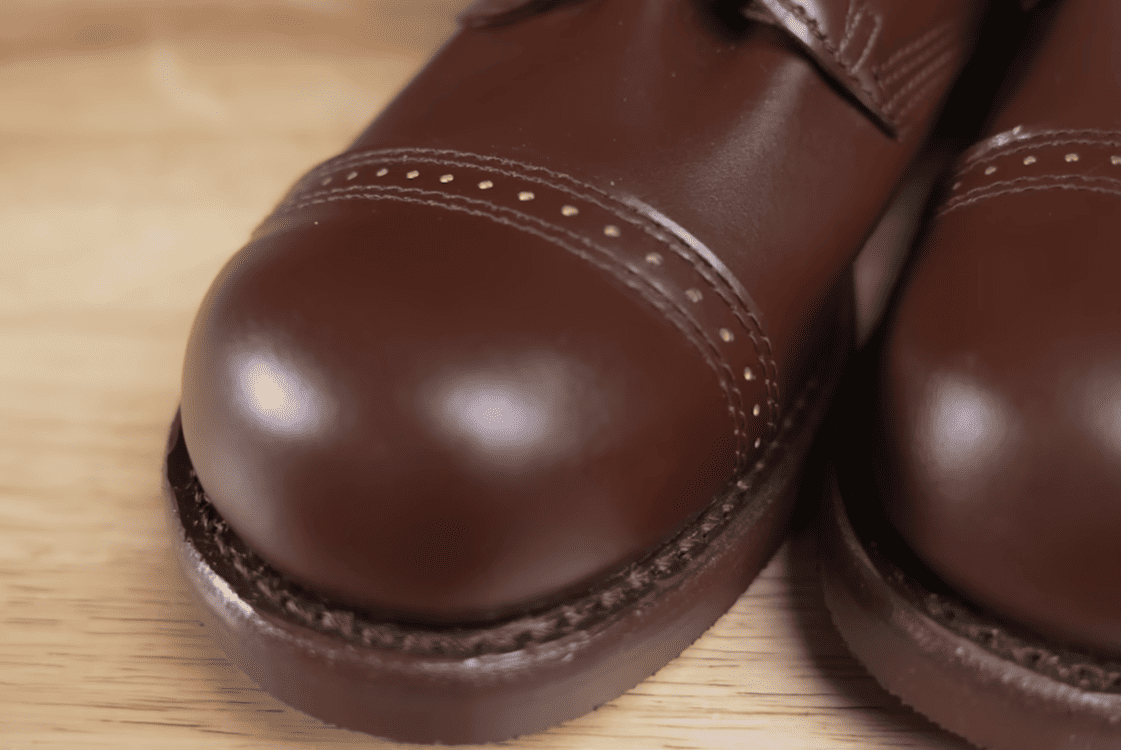
Identifying When a Boot is Too Small vs. Just Stiff
One of the first steps in deciding whether to stretch your Corcoran boots is to assess whether they are too small or just stiff. A boot that is too small will typically feel constricting, causing discomfort or pain, especially in the toe area. On the other hand, a stiff boot may feel tight but should still allow for a reasonable range of motion without causing significant discomfort.
To make this determination, try wearing the boots around the house for short periods. If the discomfort persists or is localized to specific areas like the toes or heel, it might indicate that the boot is too small. However, if the boots feel stiff but manageable, they may just need time to break in.
The Benefits of Using a Professional Cobbler
If you’ve determined that your Corcoran boots are not too small but are still too stiff, considering professional boot stretching can be a viable solution. A professional cobbler has the tools and expertise to stretch the boots in a way that maintains their integrity while improving comfort.
The benefits of using a professional cobbler include not only the stretching itself but also the cobbler’s ability to assess the boot’s material and construction. They can provide guidance on whether stretching is appropriate and the best methods for doing so. Additionally, a cobbler can offer other modifications, such as adding insoles or adjusting the lacing system, to enhance the overall fit and comfort of the boots.
By opting for professional boot stretching, you can extend the life of your Corcoran boots and ensure they remain comfortable over time. This investment in your footwear can make a significant difference in your overall satisfaction with your boots.
Conclusion
Finding the right fit in Corcoran boots is crucial for comfort and performance. This article has provided a comprehensive guide to understanding Corcoran boots sizing, including measuring your feet correctly and comparing Corcoran sizing to standard athletic shoes.
A Corcoran boots sizing summary reveals that factors such as leather construction, ankle support, and width options play a significant role in achieving a perfect fit. By considering these elements and following the tips provided, you can ensure a comfortable and secure fit.
Whether you’re purchasing Corcoran boots for military, tactical, or outdoor use, understanding the sizing and fit is essential. By applying the strategies outlined in this article, you’ll be well on your way to finding the right fit and enjoying the durability and performance that Corcoran boots are known for.